What Should You Consider Before Choosing Window Blinds for Your Home?
Selecting the right window blinds is not just about colour or price—it’s about matching light control, privacy, moisture resistance, and style to the way each room is used. A south-facing living room might need glare control and UV protection, while a bathroom demands moisture-resistant materials and night privacy. Bedrooms require darkness and quiet operation for sleep, whereas kitchens benefit from easy-to-clean fabrics that stand up to steam and splashes. Before you pick a product, evaluate which windows get harsh sun, which are street-facing, and which are exposed to humidity or cooking. List the daily activities in each space and decide whether you need sheer daylight, full blackout, or a flexible in-between option.
Budget, maintenance, and future upgrades matter too. Motorization can make tall or hard-to-reach windows usable. Neutral colours blend with most interiors, while textured weaves or wood tones add warmth. If you’re unsure where to start, begin with versatile solutions like zebra blinds in living areas and layer in blackout rollers for bedrooms. This guide walks room by room so you can make confident choices without sacrificing comfort or style.
What Are the Best Blinds for a Cozy Living Room?
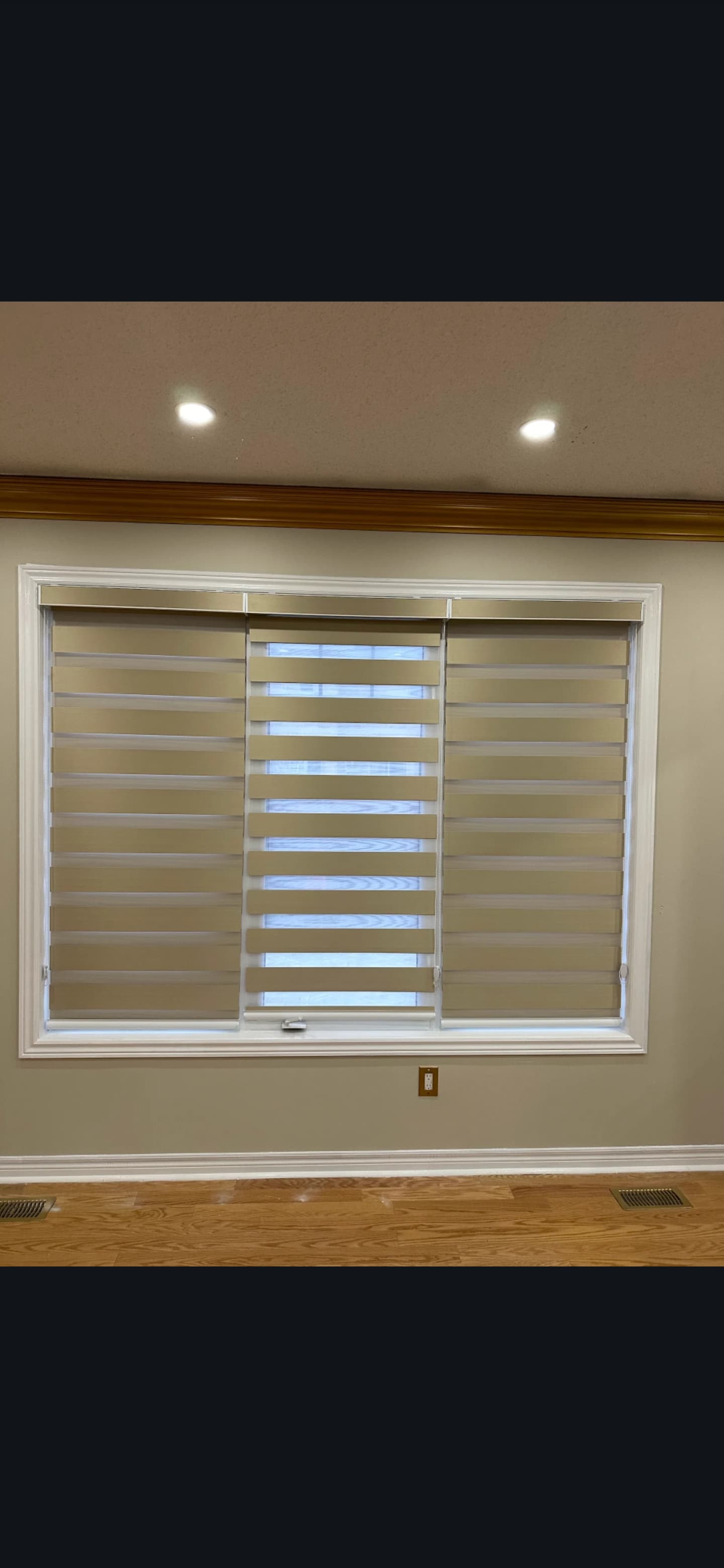
Living rooms juggle multiple needs: soft daylight for reading, glare control for screens, and evening privacy. Look for blinds that adapt throughout the day without feeling fussy. Zebra blinds excel here because their dual-layer fabric lets you slide between filtered light and privacy without lifting the shade. They keep sightlines to trees or skyline views while cutting glare. Light-filtering roller shades are another strong option—solar fabrics reduce heat and UV while preserving the view.
If your living room doubles as a media space, pair zebra blinds with blackout curtains for movie nights. For large picture windows, motorized rollers make operation effortless and protect fabrics from tugging. Warm wood blinds add texture and match trim or flooring, but note they block more view when tilted closed. In Toronto condos, slim cassettes keep things minimalist, and neutral colours help the blinds disappear into the frame.
Best blinds for large living room windows
For wide spans, choose linked or motorized roller shades to avoid multiple chains and keep rolls level. Zebra blinds also scale well but ensure professional installation so stripes align across panels. Solar roller fabrics (1–5% openness) can cool the room and protect furniture from fading.
How Do Light Control and Privacy Needs Change from Room to Room?
Each room has its own rhythm. Living rooms need glare control with a view; bedrooms need darkness and quiet; kitchens need cleanable surfaces; bathrooms need moisture resistance; home offices need screen-friendly light. Street-facing windows demand more privacy than backyard-facing ones. South and west exposures need stronger heat and UV control. North-facing rooms may need insulation more than shading. Mapping these differences helps you mix products strategically: zebra blinds for flexible daylight, blackout rollers for sleep, moisture-resistant rollers for baths, solar fabrics for hot exposures, and smart shades where convenience matters most.
Which Window Blinds Work Best in the Kitchen?
Kitchens deal with steam, splashes, and grease, so durability and cleanability are key. Moisture-resistant roller shades are a top pick: they wipe easily, resist warping, and come in light-filtering or solar fabrics to keep the room bright while cutting heat. If your sink sits under a window, cordless or motorized lifts keep cords away from water. Zebra blinds can work in kitchens too—choose fabrics designed to resist moisture and clean gently with a microfiber cloth.
Light-filtering rollers allow daylight while diffusing harsh sun over countertops. Solar rollers reduce glare on shiny appliances. For eat-in kitchens that blend into living areas, matching the cassette colour to cabinets or trim keeps the look cohesive. Avoid heavy wood in high-humidity zones; faux wood or aluminum venetians are better if you prefer slats that tilt.
Easy-to-clean blinds for busy kitchens
Opt for smooth, non-textured fabrics that wipe down quickly. Vinyl-coated rollers or treated polyester shades handle everyday cooking conditions. If you love the banded look, pick zebra fabrics with tighter weaves that resist staining and dust.
How to Choose the Right Blinds for Your Bedroom?
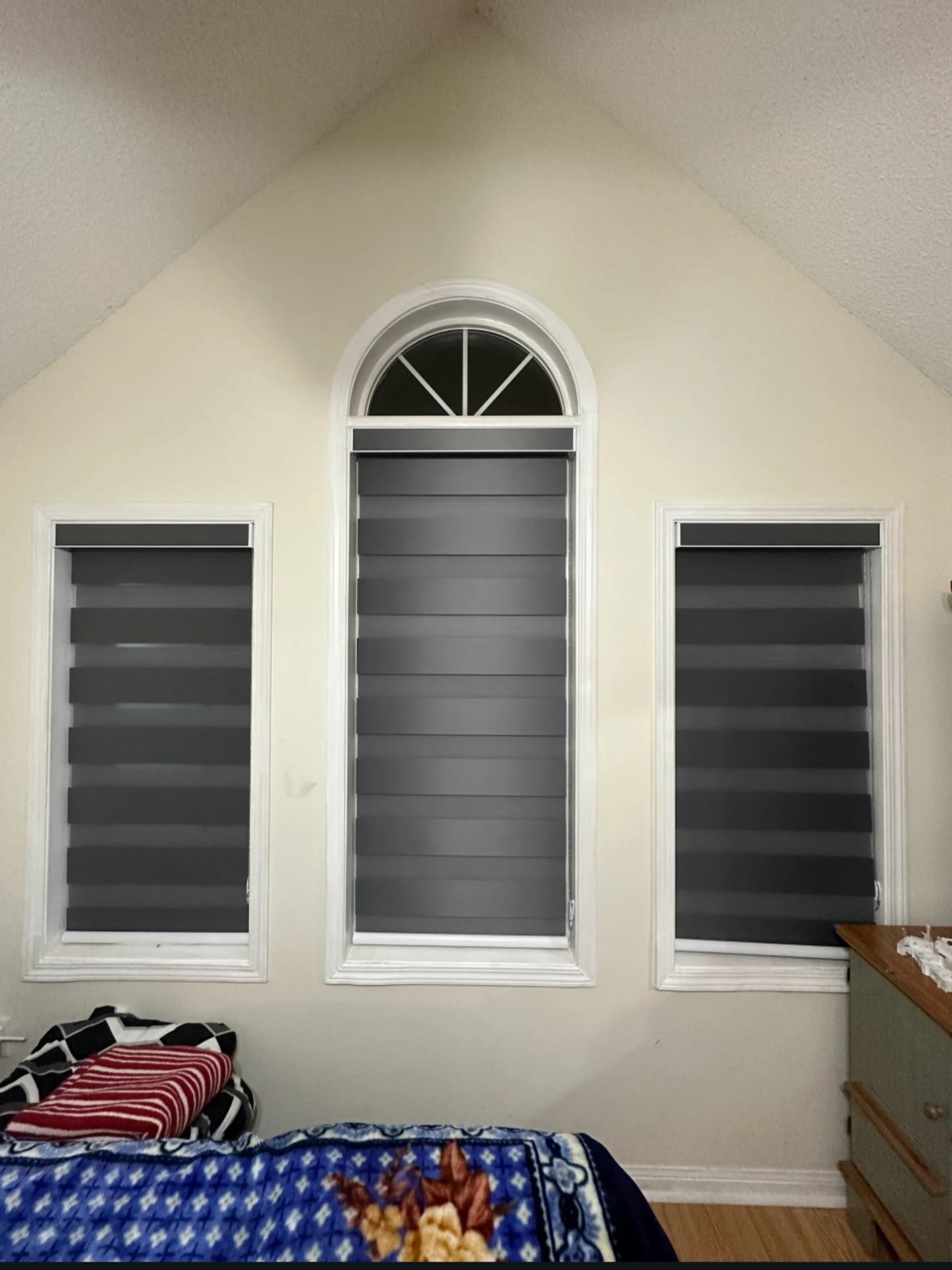
Bedrooms thrive on darkness, quiet, and soft aesthetics. Blackout roller shades are the simplest way to block light, especially when mounted outside the frame to cover gaps. For a layered, upscale look, combine zebra blinds for daytime control with blackout curtains for night. Cordless or motorized lifts keep operation quiet and safe for kids or pets. If your bedroom faces streetlights, choose side channels or a wrapped valance to reduce light leaks.
Fabric colour influences mood: light neutrals feel airy, while deeper tones cozy up the room. If you like waking with daylight, consider dual shades (light-filtering plus blackout) or automate schedules so shades rise gradually. In compact bedrooms, slim cassettes and inside mounts keep windows feeling larger.
Recommended blinds for small bedrooms
Use slim cassette roller shades in blackout fabric to maximize usable space. If you need daytime softness, zebra blinds with a secondary blackout layer (via curtains) keep the footprint small while delivering flexibility.
What Are the Best Moisture-Resistant Blinds for the Bathroom?
Bathrooms demand privacy and moisture resistance. Look for roller shades with moisture-tolerant or vinyl-backed fabrics that won’t warp. Light-filtering rollers maintain brightness while obscuring silhouettes. For maximum privacy in street-facing baths, add blackout or privacy-rated fabrics. If you prefer slats, aluminum or faux wood withstand humidity better than real wood.
Keep hardware minimal and corrosion-resistant, and avoid fabrics that absorb steam. Inside mounts work well if you have deep jambs; otherwise, outside mounts can cover trim and gaps. Motorization keeps cords away from sinks and tubs, adding safety and convenience.
Moisture-resistant choices that stay bright
Choose light-filtering rollers in white or soft neutrals to bounce light around small baths. If you need more privacy, pair with a sheer curtain for softness or use frosted-style solar fabrics that still let in daylight.
What Are the Best Blinds for a Cozy Living Room?
(Covered earlier—here’s a quick recap.) Zebra blinds are the most flexible for living rooms, allowing you to tune daylight and privacy without lifting the shade. Solar roller shades are excellent for glare and UV protection. Wood or faux-wood blinds add warmth if you like a classic look. Layer with drapery for added softness and insulation.
Which Blinds Are Best for a Home Office or Study?
Home offices need glare control without turning the room into a cave. Zebra blinds are a strong choice because you can reduce screen glare while keeping natural light. Solar roller shades (1–5% openness) are excellent for south or west exposures, reducing heat and brightness while preserving view. If your office doubles as a guest room, consider a dual solution: zebra blinds for daytime work and blackout curtains for guests at night.
Quiet operation matters on calls, so cordless or motorized lifts are ideal. Choose neutral fabrics to avoid colour cast on screens. If your office is street-facing, ensure enough evening privacy—pair solar rollers with a secondary layer or pick higher-opacity fabrics.
How Can You Match Window Blinds to Your Interior Design Style?
Minimalist and modern interiors lean toward roller or zebra shades in soft whites, greys, or greige. Scandinavian and Japandi styles benefit from light woods or linen-textured rollers. Traditional spaces can handle richer hues and faux-wood slats. Industrial lofts often pair solar rollers with exposed concrete or metal trim. Colour-matching cassettes and bottom rails to window frames keeps the look unified.
Texture subtly changes the feel: smooth fabrics feel sleek; woven or heathered fabrics add depth; wood tones add warmth. If your walls and trim are busy, pick a quiet fabric; if your palette is simple, a textured blind can introduce interest. For open concept homes, keep cassette colours consistent across rooms even if fabric opacity changes by room.
How Do Maintenance and Cleaning Compare Across Rooms?
Kitchens and baths require wipeable surfaces—roller shades in treated fabrics or faux wood slats keep cleaning simple. Living rooms and bedrooms collect dust more than grease; regular microfiber dusting on zebra or roller fabrics is usually enough. Avoid harsh chemicals to preserve coatings. Motorization reduces hand contact and can extend fabric life. For homes with pets, choose snag-resistant weaves and consider cordless lifts to avoid cord play.
Are Zebra Blinds or Roller Shades Better for Mixed Room Needs?
Many homes benefit from mixing both. Zebra blinds thrive in living areas and offices where flexible daylight matters. Roller blackouts rule in bedrooms and media rooms. Solar rollers are ideal for hot exposures, kitchens, and offices. If you love the banded look, discover more tips in our Zebra Blinds blogpost. If you’re comparing flexibility to simplicity, read our guide on Zebra Blinds vs. Roller Shades for deeper detail.
Room-by-Room Recommendations at a Glance
- Living Room: Zebra blinds for flexible daylight; solar rollers for glare/heat; layer with drapery if desired.
- Kitchen: Moisture-resistant roller shades; consider cordless or motorized near sinks; smooth fabrics for easy cleaning.
- Bedroom: Blackout roller shades or zebra + blackout curtains; motorization for quiet, timed wake-ups.
- Bathroom: Moisture-resistant rollers or faux wood/aluminum; prioritize privacy; avoid real wood in high humidity.
- Home Office: Zebra blinds or solar rollers for screen comfort; neutral colours to reduce colour cast.
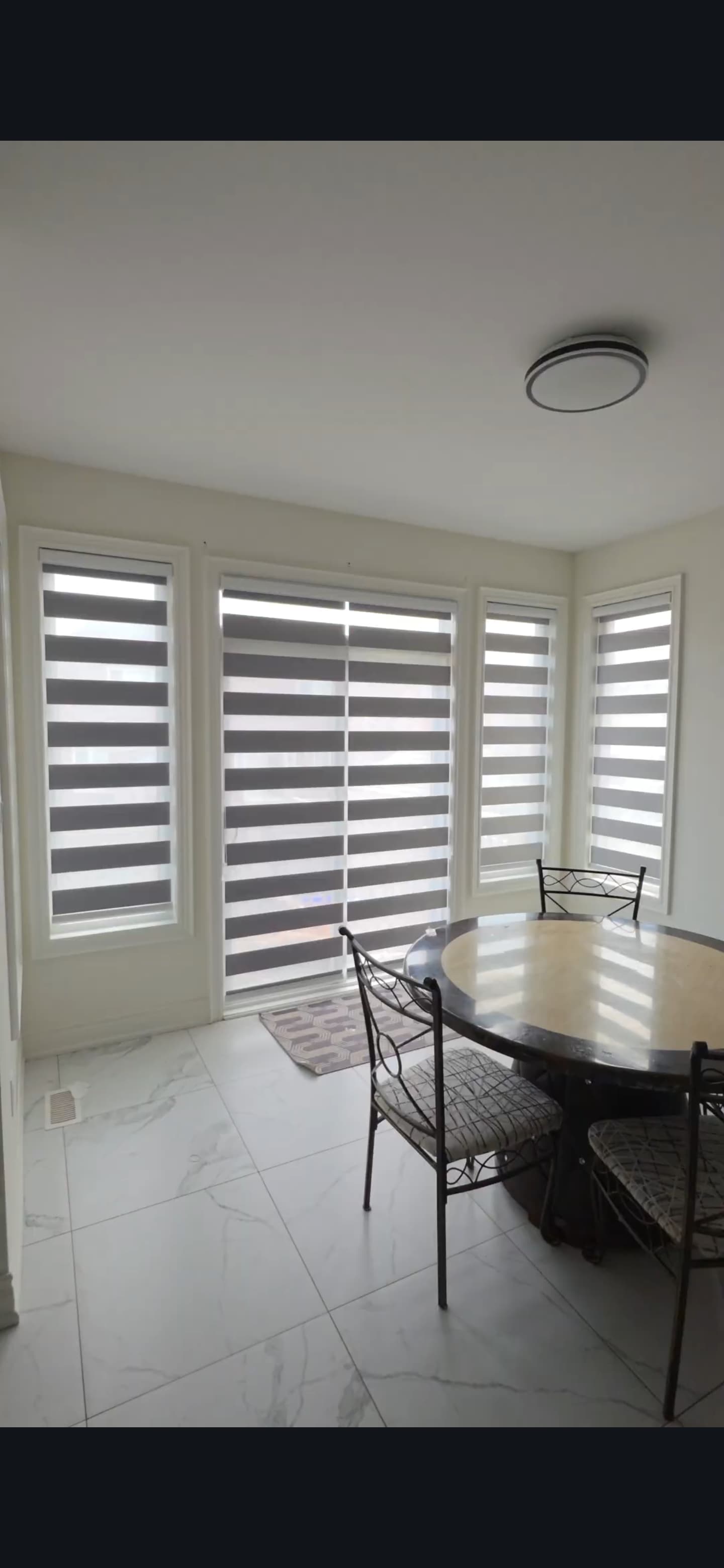
- Dining Room: Zebra blinds for adjustable ambiance; textured rollers for warmth; consider motorization for tall windows.
Are Smart or Motorized Blinds Worth It for Different Rooms?
Motorization adds value where blinds are tall, hard to reach, or operated daily. In living rooms, motorized zebra or roller shades make quick adjustments during TV time. In bedrooms, scheduled blackouts improve sleep and mornings. In kitchens, motors keep hands free and cords away from water. In offices, voice control can manage glare during calls. Battery motors are accessible and easy to retrofit; hardwired motors look tidier and last longer. Explore options on our Motorization & Smart Home Solutions page to see which rooms benefit most.
How Do Budget and Layering Strategies Help?
If you’re outfitting multiple rooms, allocate budget based on impact. Start with blackout rollers in bedrooms for sleep quality, then add zebra or solar rollers in main living areas. Kitchens and baths get moisture-rated rollers. Layer curtains over zebra blinds in living rooms for style and insulation. Mixing products keeps costs reasonable while solving each room’s specific needs. When you have a favourite look—like zebra blinds—use them where they shine (living, dining, office) and choose cost-effective rollers where performance (blackout, moisture) is the priority.
Call Captain Blinds for Room-by-Room Recommendations
Every room has unique light, privacy, and moisture demands. Captain Blinds can visit your home, assess exposures, and recommend the right mix of zebra blinds, roller shades, and moisture-resistant options for each space. We’ll match fabrics to your décor, suggest motorization where it helps most, and provide a clear, itemized quote. Request your free consultation today and let us tailor the perfect blinds for your kitchen, living room, bedroom, bathroom, and beyond.
Call us at (416)985-3839 or use our contact page to book a visit—we’ll help you choose the best blinds for your light, privacy, and budget.